
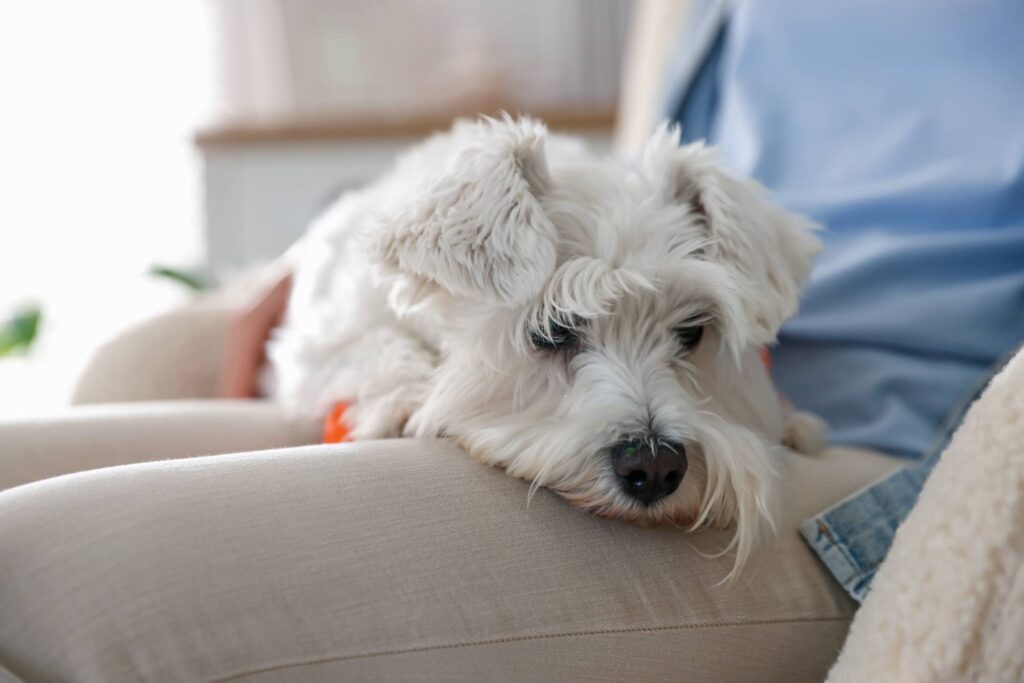
A honking cough after boarding or the dog park is often the first sign your dog needs kennel cough treatment. Veterinarians call it canine infectious respiratory disease complex, or CIRDC, and it’s also known as infectious tracheobronchitis, since it irritates the respiratory tract. Both bacteria (like Bordetella bronchiseptica) and viruses (like canine parainfluenza and canine adenovirus type 2) can cause it. It’s one of the most common respiratory infections seen in dogs that spend time around other dogs. Treatment depends on how sick your dog gets, and the quick points below map out what to expect.
Key Takeaways
- Most kennel cough cases stay mild and clear up at home within a week or two, with rest and simple care.
- If the cough worsens or your dog runs a fever or seems tired, it is time to call the veterinarian.
- The vaccine will not block every case, but it lowers how severe the illness gets and how easily it spreads.
- Treatment scales with severity, so early veterinary input helps keep a small cough from turning into pneumonia.
- The FAQs cover recovery time, contagiousness, safe home care, and when a vet visit makes sense.
How Kennel Cough in Dogs Is Treated
Caring for kennel cough in dogs rarely follows one fixed script. Spotting the illness is usually simple, but treatment takes more thought. There is no single standard plan, so your veterinarian weighs your dog’s symptoms and their severity before choosing one.
Two dogs with the same cough can leave the clinic with different instructions. One might need only rest and steam. Another with a rougher cough gets a prescription suppressant to sleep at night.
The aim is the same in every case: help your dog rest and heal while the infection clears.
Most cases stay mild. Many dogs clear the infection on their own within 7 to 10 days. Mild cases make up the majority of what veterinarians see.
The cough sounds dry and hacking, but there is no fever or heavy tiredness. These dogs often keep their normal energy and appetite. Even healthy dogs catch it, so a mild case is nothing to feel bad about.
A mild cough can sound alarming, since it often comes in honking fits that end with a gag or retch. That noise usually looks worse than it feels. A dog with a mild case still eats, plays, and rests close to normal.
Because these cases are the most common, a new cough is usually more annoying than dangerous. Your watchfulness is what catches the rare case that starts to turn.
Much of the care for a mild case, sometimes called supportive therapy, happens at home. According to Cornell, most dogs recover with supportive care and rest. The goal is not to rush the cough away but to keep your dog comfortable while the illness runs its course. A few steady habits go a long way:
- Keep your dog hydrated, and run a humidifier or sit together in a steamy bathroom to calm irritated airways.
- Ease off the collar and leash so nothing presses on a raw throat.
- Ask your veterinarian before offering any cough suppressant, and skip human cough syrups, which can poison dogs.
- With your vet’s okay, a small amount of honey can soothe the throat. Small dogs can take about a teaspoon and larger dogs up to a tablespoon, two or three times a day. Raw, unpasteurized honey works best, but never give it to puppies under one year or to dogs with diabetes.
- Let your dog rest, and hold back on hard play and excitement, which tend to set off more coughing.
Simple care like this is usually all a mild case needs.
Even when your dog seems fine, keep watching. Check in often for warning signs like a shrinking appetite, low energy, or nasal discharge. Those shifts can mean the infection is moving past a mild case and needs a professional’s eyes.
Jot down when the cough happens and whether it eases or worsens each day. That quick log helps your veterinarian judge the case if you end up calling. In most cases, though, patience and gentle care are enough.
When Kennel Cough Symptoms Get Worse
When kennel cough symptoms start climbing, home care is no longer enough. A moderate case brings a cough that gets louder or more frequent. You may also see a mild fever, a smaller appetite, a runny nose, or low energy. Any of these is a signal to stop waiting and get advice. A veterinarian may also test to rule out other causes, such as canine distemper virus, before confirming kennel cough. Once your dog moves past a simple cough, bring in your veterinarian if you have not already.
At this stage, treatment usually shifts to medicine that only a veterinarian should prescribe. Common options include:
- Antibiotics, such as doxycycline or amoxicillin-clavulanate, when a secondary bacterial infection like Bordetella bronchiseptica is likely. Follow the full course exactly as directed to avoid antibiotic resistance.
- Anti-inflammatory medicine, such as mild corticosteroids or NSAIDs, to calm swelling in the airways. Only use medications your veterinarian prescribes.
- Nebulization, where saline or an antibiotic solution is breathed in as a mist to loosen mucus and ease the airways.
A nebulizer sends medicine straight to the airways as a fine mist. Relief reaches the trouble spot faster than a pill alone. Your veterinarian may pair it with other care to speed recovery.
Moderate cases can still improve quickly with the right care, so waiting rarely helps. Antibiotics only work when bacteria are part of the problem. Finishing the full course matters even after the cough fades, since stopping early lets the sturdiest bacteria survive. Most moderate cases then turn back toward normal instead of getting worse.
Severe cases are a different picture. Kennel cough can move past a simple airway infection and turn into pneumonia, especially when the canine influenza virus or another CIRDC pathogen is also involved. That risk climbs when the illness goes untreated or the dog’s immune system is already weak. A severe case can also leave a dog open to other infections, so the team often treats it aggressively.
Pneumonia can bring fever, deep tiredness, labored breathing, and a worsening cough. It calls for immediate veterinary care to head off life-threatening problems. A dog with a stubborn cough can develop labored breathing within a day. Any sign of real distress means a call right away.
Treatment for a severe case, always guided by a veterinarian, may layer several steps at once, often within a veterinary hospital equipped to monitor a dog closely:
- Hospitalization, so the team can provide oxygen or intravenous fluids and watch your dog closely.
- Injectable broad-spectrum antibiotics for stubborn bacterial infections.
- Bronchodilators to open the airways and make breathing easier.
- Nebulized medicine, such as a mucolytic like acetylcysteine, to help clear the lungs.
Supportive care ties it all together. When a case turns serious, Cornell notes that this can mean hospitalization for IV-provided antibiotics, oxygen therapy, and fluids until your dog is stable. These steps hold your dog steady while rest and medicine clear the infection.
How long your dog stays at the animal hospital depends on their condition at admission and how their symptoms change over the next few days. Most dogs improve steadily once treatment begins.
How the Kennel Cough Vaccine Prevents Illness
Vaccination is the simplest way to lower your dog’s risk before trouble starts, and it comes in two main forms. Most formulations target Bordetella bronchiseptica along with common viral contributors like canine parainfluenza virus and adenovirus type 2.
- The intranasal vaccine goes in as drops in the nose. This is the most common method and is usually quick and low-stress for both of you.
- The injectable vaccine goes under the skin, much like a rabies shot.
Either type is a routine visit, usually done in minutes. Both protect against the most common strains. Your veterinarian will pick the right one based on your dog’s age, health, and daily life. If your dog spends time around others at boarding, doggy daycare, or classes, the shot may be recommended.
No vaccine is completely foolproof. Think of the shot as one layer of protection rather than a promise. A vaccinated dog can still pick up a mild case or carry the bacteria without looking sick. Even so, the shot pays off, since Cornell explains that the vaccine protects and lessens severity, and it shortens how long the illness lasts.
The benefit reaches past your own pet, too. A vaccinated dog is less likely to pass the illness along at the park, the kennel, or home. In a busy dog community, that lower spread helps keep outbreaks small for everyone.
Vaccination is not the only move that helps. A few everyday choices lower the odds even more:
- Pick reputable boarding facilities and grooming salons, since poorly run spaces let the illness spread fast.
- Steer clear of shared dog areas during a known outbreak, including dog parks and animal shelters.
- Keep your dog away from any pet that has recently been sick.
None of these steps are complicated, and together they cut the odds your dog picks up the illness. Put those habits together with a current vaccine, and your dog is well protected day to day. Prevention will always be gentler on your dog than treating a full infection later.
What Every Dog Owner Should Know About Kennel Cough Treatment
The right kennel cough treatment depends on how your dog is doing. Care ranges from home comfort for a mild cough to hospital support for pneumonia. Vaccination lowers both the odds and the severity from the start.
Most dogs bounce back with rest and simple care, and the ones that need more do best when help comes early. Watching for changes and checking in early keeps a minor cough from becoming a bigger problem. If your dog is coughing, or you just want to know what is normal, talk to our veterinary team.
FAQs
Here are quick answers to the questions dog owners ask most about kennel cough.
How long does kennel cough last in dogs?
Most mild cases clear up within 7 to 10 days, and according to Cornell, most dogs recover within two weeks. Dogs usually keep their normal energy and appetite. If the cough lasts past two weeks or worsens, call your veterinarian to check for a deeper infection.
Can I treat my dog's kennel cough at home?
Yes, most mild cases respond well to home care. Keep your dog hydrated and rested, run a humidifier, and keep pressure off the throat. Ask your vet before trying honey or any cough suppressant. Never give human cough syrups, which can be dangerous for dogs.
When should I take my dog to the vet for kennel cough?
Call your veterinarian if the cough worsens or you notice fever, low energy, a fading appetite, or trouble breathing. Those signs can point to a moderate or severe case like pneumonia, which needs prompt medical care, not home treatment.
Is kennel cough contagious to other dogs?
Yes, Cornell notes that kennel cough spreads easily among dogs in close contact. That is why it travels through boarding facilities, dog parks, and grooming salons. Other contagious respiratory illnesses, such as canine influenza, can spread through those same settings. Keep a coughing dog away from other pets until your veterinarian says the infection has cleared.
Does the kennel cough vaccine work?
The vaccine does not block every case. It lowers how severe the illness gets, shortens it, and helps limit spread. Vaccinated dogs may still catch a mild version, so keep up with everyday prevention too. Your veterinarian can suggest the intranasal or injectable option.
Sources
- According to Cornell, most dogs recover with supportive care and rest.
- Cornell notes that severe cases may require hospitalization with IV-provided antibiotics, oxygen therapy, and fluids.
- Per Cornell, the vaccine protects against kennel cough and lessens its severity.
- Cornell states that most dogs recover within two weeks.
- According to Cornell, kennel cough spreads easily among dogs in close contact.