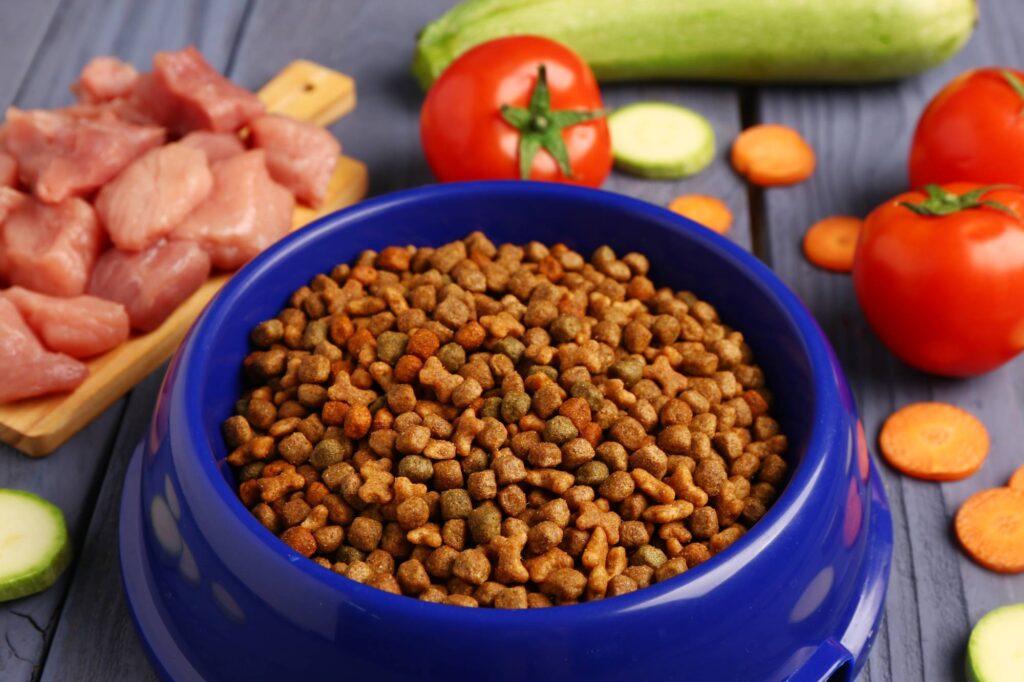
Most pet owners don’t have time to cook homemade meals for their dog, and healthy dog food toppers close that gap. Think of a topper as a natural dog food enhancer: a spoonful of fresh food on top adds vitamins, protein, and omega-3 fatty acids to the kibble you already serve. Vegetables, fruit, sprouts, eggs, and sardines all work as food toppers, each in a different way, and many double as a simple fix for picky eaters.
Safe choices, right portions, and steady caloric intake are what make a topper part of a healthy dog’s diet instead of just extra. These additions work alongside any pet food, not instead of it. Before you grab a spoon, the quick list below covers all three.
Key Takeaways
- Nonstarchy vegetables and fresh fruit add vitamins, antioxidants, and other essential nutrients to the bowl while keeping calories low.
- Sprouts and cooked eggs supply protein, vitamins, and minerals in forms your dog’s body absorbs and uses well.
- Water-packed sardines add protein and omega-3 fatty acids, and even large dogs only need two or three per day.
- Whichever topper you pick, introduce it slowly, cut the kibble back to match, and watch your dog’s response, since these dog food boosters should fit alongside a complete and balanced dog food and your dog’s individual health needs.
- The FAQs below cover serving amounts, daily eggs, foods to avoid, and what to do about a sensitive stomach.
Fresh Vegetables and Fruit as Dog Food Mix-Ins
Vegetables are one of the easiest food toppers to try first, and a chopped veggie mix makes a simple homemade dog food topper you can put together in minutes, an easy diy dog food topper project the whole family can help with. Stick with nonstarchy choices so the extra food doesn’t add too many calories to the day. A topper should stay a topping, not become a second meal.
Your dog can eat many vegetables raw. Cooking makes them easier to absorb, though, which means your dog pulls more nutrition from the same serving. Raw pieces work well too when you don’t have time to cook. Either way, chop everything small so it blends into the kibble.
Veggies also help a dog who needs to watch their weight. They add bulk without adding many calories, so the bowl stays satisfying while the caloric intake barely moves. Bright, colorful vegetables and fruit also supply antioxidants that support a dog’s immune system, on top of the essential nutrients already in a complete and balanced dog food.
Portions still need a limit. Cap vegetables at about 1/4 cup per 10 pounds of body weight per day. That works out to about half a cup for a 20-pound dog each day. Most veggies on this list stay low in calories, so a measured scoop keeps things light.
Leafy greens sit at the top of the list, and they don’t need cooking at all. Cruciferous vegetables, the group that includes broccoli and cabbage, are terrific too. Serve those in modest amounts, since large helpings can cause gas in some dogs. If you notice extra gas after a broccoli night, scale the portion down.
Organic, human-grade produce is ideal when you can get it. Choosing organic lowers the overall pesticide load your dog takes in with each serving.
A few vegetables stay off the menu no matter what. According to Cornell, onions and their relatives may be toxic to dogs and cats, so skip that whole family. Potatoes and corn are fine inside a balanced diet, yet they’re too starchy to serve as an add-on. The goal is produce that adds nutrients, not starch or risk.
Fresh fruit works as a topper for many of the same reasons. Good picks include:
- Berries, the best choice, loaded with antioxidants and other phytonutrients (natural plant compounds that support health)
- Sliced apples
- Bananas
- Watermelon
- Pears
- Plain pumpkin purée, gentle on digestion and easy on calories
Serve fruit in small pieces so it mixes into the kibble.
Grapes and raisins are the exception, and it’s a serious one. They can cause kidney failure in some dogs, so never let them near the bowl. Watch the calories with any fruit, because it’s easy to overdo it.
Why Sprouts and Eggs Work as Kibble Toppers
Sprouts and eggs might be the most overlooked food toppers in the grocery store. Sprouts are baby grains and legumes, and they pack a surprising amount of nutrition into a tiny package. Most dogs actually enjoy them, believe it or not, and a small pinch over dinner is an easy first test.
Sprouting changes what the grain offers. Research published in Nutrients shows that sprouted grains raise both the amount and the bioavailability of protein, vitamins, and minerals, thereby increasing nutrient bioavailability. Bioavailability simply means how much of a nutrient the body can absorb and use. That means more essential nutrients per spoonful than the same grain unsprouted, something dry food toppers don’t always offer on their own.
That shift matters for a topper. You’re only adding a small amount of food, so you want every bite to count for something.
Grains deserve a better reputation than they usually get. Contrary to popular belief, grains are not inherently bad for dogs. The real issue is the quality and quantity of the grain. Those two things decide whether grain helps or just fills.
Most kibble already contains plenty of carbohydrates, and that includes the grain-free formulas. There’s no need to add more starch on top. Sprouted grains help here because they run proportionately lower in starch and higher in other nutrients. A swap like that keeps calories level while the nutrition climbs.
Eggs bring protein to the bowl in a form your dog’s body puts to work easily, and the biotin in eggs is a common pick for supporting skin and coat. A cooked egg is the way to go, since cooking makes that protein more available to your dog. Eggs may also be the simplest topper on this list to keep stocked at home.
Preparation stays simple, and three easy options cover it:
- Soft boiled, the ideal method: about 6 minutes in the shell cooks the white and leaves the yolk runny
- Hard boiled
- Scrambled
Use whichever fits your morning.
Leave the shells out of the bowl. Eggshells don’t have the right calcium-to-phosphorus balance for dogs, so crack, cook, and toss them.
Some owners also look into organ meats, like liver, or freeze-dried proteins and human-grade meals as extra protein sources. These can add nutrition, but they’re worth introducing in small amounts and checking with your veterinarian first, since they carry their own calorie and nutrient considerations.
Count the calories before you crack, though. One egg adds about 75 calories, which is a real share of a small dog’s daily total. A whole egg each day suits a medium or large breed, while small breeds should stop at half an egg.
Cut the kibble back to make room for those calories. The topper should replace part of the meal, not stack on top of it, or weight gain follows. A measuring cup takes the guesswork out of the trade.
Sardines, Serving Sizes, and a Slow Start
Sardines round out the list of fresh toppers, and they might be the easiest wet toppers of all. Choose canned fish like sardines packed in water, then add them straight to the bowl, whether you serve wet dog food or dry kibble. These small fish carry added protein along with omega-3 fatty acids, and MedlinePlus notes that oily fish like sardines are rich in omega-3s, which many owners also value for skin and coat support. The omega-3s are the standout, and sardines deliver them in ready-to-serve form.
Portion math stays simple, and there’s no cooking or prep involved. One sardine suits a small dog just fine. Larger dogs can have two or three sardines instead, depending on their size.
Bone broth is another popular liquid topper worth knowing about. It can add moisture and flavor for a dog who needs some encouragement at mealtime, though it’s worth choosing a low-sodium, onion-free variety and counting it toward the day’s calories like anything else.
Those calories count toward the whole day. Factor them into your dog’s daily total, the same way you would with an egg or a splash of broth. Cut the kibble back in proportion.
Extra calories are the main risk with any topper, sardines included. Daily portions that keep growing lead to weight gain, even when every added food is healthy.
Freshness matters more with fish than with any other topper here. The fatty acids in sardines go rancid quickly once the can is open. Feed the rest within a couple of days. A sardine left too long loses the very nutrients you added it for.
How to Start Any New Topper
Every topper on this list follows one rule: introduce it slowly, then watch for any signs of digestive upset. A gradual start gives your dog’s stomach time to adjust to the new food. Watch the stool and the appetite, since a change in either one is your cue to pause.
For picky eaters, even a small flavoring topper, like a spoonful of bone broth or a few air-dried chunks, can turn a skipped meal into a clean bowl. If your dog’s stomach seems sensitive, a short-term topper of plain, cooked long grain white rice can help settle things while you sort out the cause.
Dogs are scavengers by nature, so most of them should be able to handle every item here. That scavenger background means variety usually sits fine, yet every dog is an individual. Some dogs simply can’t tolerate certain foods, and that’s normal too.
You know your pet best. A dog with an iron gut can work through this list with confidence. A dog with more delicate digestion needs smaller amounts, a slower pace, or a pass on toppers altogether. Most of the toppers here suit dogs at all life stages, though a dog on a limited ingredient diet for allergies may need a vet’s input before adding anything new.
When in doubt, pick one new food at a time and observe for a few days. If the stomach stays settled, you can try the next item on the list. Your veterinarian can also help you sort out which toppers fit your dog’s health history.
What Every Dog Owner Should Know About Healthy Dog Food Toppers
Healthy dog food toppers prove you don’t need to cook homemade meals to build a better bowl. Vegetables, fruit, sprouts, eggs, and sardines each add essential nutrients to plain kibble, complementing a complete and balanced dog food rather than replacing it. The ground rules never change: small portions, less kibble to match, no toxic foods, and a slow start.
Pick the option that fits your dog’s size and stomach, and mealtime gets healthier one spoonful at a time. Your dog gets fresh variety in their diet, and you get a simple, natural dog food enhancer that helps you support their health at every meal.
If you have questions about a specific food, call the Pierz Veterinary Clinic team at 320.468.6174. To keep learning about what belongs in your dog’s bowl, browse our pet health library.
FAQs
What can I add to my dog's food to make it healthier?
Small amounts of real food work best: nonstarchy vegetables, fresh fruit such as berries, sprouts, cooked eggs, or water-packed sardines. Each one adds vitamins, antioxidants, protein, or omega-3 fatty acids to the bowl. Keep portions modest and adjust the kibble so total calories stay level for the day.
How much topper should I add to the bowl?
A topper should stay a small share of the day’s food. According to Tufts veterinary nutritionists, treats and toppers together should generally stay under about 10% of a dog’s daily calories. Vegetables top out around 1/4 cup per 10 pounds of body weight daily. Whatever you add, cut the kibble back to match.
Can dogs eat eggs every day?
Many dogs can, if the egg is cooked and the portion fits. One egg generally provides about 6.3 grams of protein and 75 calories. A daily egg suits medium and large breeds, while small breeds should stop at half. Skip the shells, which lack the right calcium-to-phosphorus balance for dogs.
Which foods should never top a dog's bowl?
The onion family, grapes, and raisins head the do-not-feed list. Onions and their relatives can harm dogs, and Cornell notes that grapes or raisins can cause acute kidney injury in some pets. Potatoes and corn aren’t toxic, yet they’re too starchy to work as everyday add-ons.
What if a new topper upsets my dog's stomach?
Pause the new food and let your dog’s stomach settle. Tufts veterinary nutritionists advise gradually mixing in an increasing amount of the new food so the digestive tract can adjust. Reintroduce slowly, in smaller amounts, or not at all. Call your veterinarian if the upset lasts past a day or two.